
How companion planting can boost your harvest and reduce garden pests

Many home gardeners start out by arranging their plots into perfectly straight, separate beds: carrots in one row, onions in another, cabbages strictly on their own. This looks tidy, but in practice such isolation can make plants weaker and more exposed to pests and diseases.
An increasingly popular alternative is companion planting – growing different vegetables, herbs and flowers together so they support each other. By copying how plants coexist in nature, you can reduce the need for chemicals, attract beneficial insects and enjoy healthier harvests with less effort.
Why strictly separate beds can work against you
In natural ecosystems, plants almost never grow in uniform blocks. Different species intermingle, creating a complex web of interactions above and below the soil. When we plant large, single-species beds, we break this pattern – and unintentionally make life easier for pests and diseases.
Monoculture beds (one crop in a large area) have several drawbacks:
- Pests spread faster. If a pest finds its favorite crop, it can easily move from plant to plant without obstacles.
- Diseases travel easily. Many fungal and bacterial diseases spread more quickly when the same species is crowded together.
- Soil becomes unbalanced. One type of plant tends to draw the same nutrients from the soil, increasing the risk of deficiencies and stress.
Companion planting breaks up these large, uniform targets by mixing crops in smaller groups. This simple change can make your garden more resilient without complicated treatments.
What companion planting is and how it works
Companion planting is the practice of placing plants with compatible needs and beneficial effects next to each other. Some combinations help deter pests, others improve growth or protect against diseases.
One of the mechanisms behind this is called allelopathy: plants release chemical compounds from their roots, leaves or decomposing residues. These substances can inhibit or stimulate the growth of neighboring plants. When you choose companions wisely, you can use these natural interactions to your advantage.
Garden experience and research both suggest that mixed plantings can:
- Reduce damage from certain insects
- Improve overall plant vigor
- Support better pollination and fruit set
- Create a more stable garden ecosystem
Proven plant partners for a healthier vegetable garden
You do not have to redesign your entire plot at once to benefit from companion planting. Start with a few reliable combinations that many gardeners find effective.
Carrots and onions
Carrots and onions are classic companions. Their scents tend to confuse insects that specialize in one of these crops. By alternating rows or planting small patches together, you can make it harder for carrot and onion pests to locate their target plants.
Tomatoes and basil
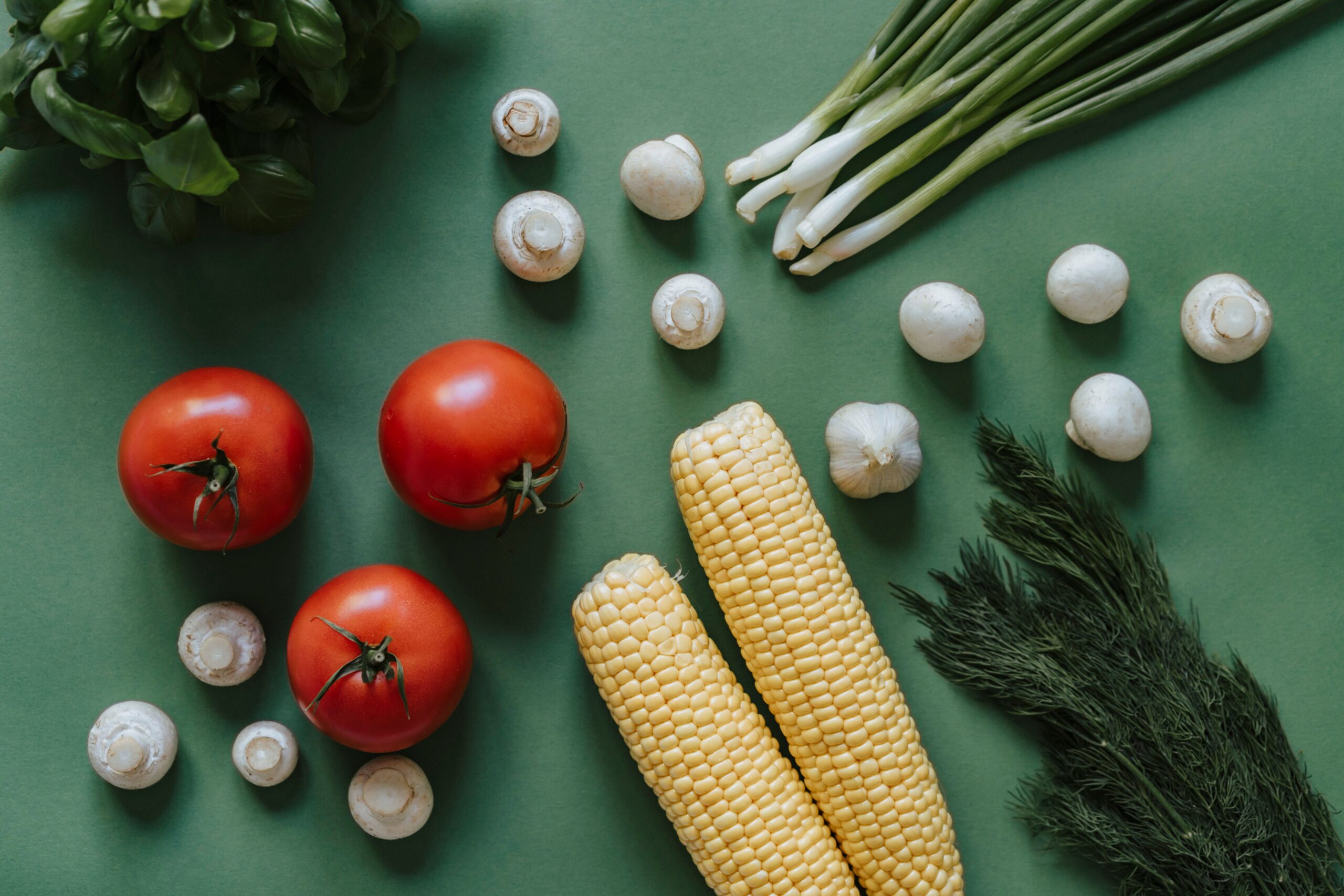
Tomatoes often thrive when planted close to basil. The aromatic oils of basil can help repel some insects, while its foliage creates a slightly more humid and shaded microclimate around the soil. This pairing also makes harvesting more convenient, as both crops are frequently used together in the kitchen.
Cucumbers and dill
Cucumbers combine well with dill. Dill flowers attract beneficial insects such as predatory wasps and hoverflies, which can help keep pest populations in check. The airy structure of dill also means it does not heavily compete with cucumbers for light.
Cabbage and marigolds
Marigolds are a valuable ally for many brassicas, including cabbages. Their strong scent can deter some soil and leaf pests, and compounds released from their roots may help reduce certain harmful organisms in the soil. Plant marigolds along the edges of your cabbage bed or intersperse them between plants.
Strawberries and garlic
Garlic is a useful neighbor for strawberries. Its pungent smell and natural compounds are associated with reduced pressure from some fungal problems and pests. Planting garlic cloves between strawberry rows is a simple way to add a layer of natural protection.
How to start using companion planting in your garden
You do not need to abandon your entire garden layout to get started. Introduce companion planting gradually and observe how your plants respond.
Practical steps for beginners:
- Choose 2–3 combinations. Start with pairings such as carrots with onions or tomatoes with basil, and test them in one part of your garden.
- Plant close, but not crowded. Keep normal spacing for each crop, just alternate or group them in small blocks instead of long single-species rows.
- Observe plants closely. Compare pest damage, growth strength and yields between mixed plantings and your usual separate beds.
- Expand gradually. If you notice fewer problems and stronger plants, apply these principles to more beds in the following season.
Over time, your plot can become a diverse, balanced system where plants support each other instead of standing alone. When vegetables, herbs and flowers grow in the “right company”, pest pressure often decreases, plants suffer fewer diseases and yields improve – without turning gardening into constant, exhausting maintenance.



0 comments