
How to water seedlings after transplanting so they don’t die from stress

Moving seedlings from pots to open ground is one of the most delicate stages in the gardening season. Even strong, healthy plants can suddenly wilt after planting out, and many gardeners lose part of their harvest right at this step.
Based on practical advice from experienced growers, including agronomists and practicing vegetable gardeners, you can greatly reduce transplant stress with simple fertilizing and correct watering. Here is how to support seedlings in the first days after they move to the garden bed.
Why seedlings suffer after transplanting
Transplanting inevitably damages part of the root system. The plant suddenly finds itself in new soil, with different temperature, light and moisture conditions. This combination causes so‑called transplant shock: seedlings look weak, leaves droop, growth slows, and in severe cases plants die.
To help seedlings adapt, they need two things above all:
- Good conditions for rapid root recovery
- Steady, adequate moisture in the root zone
Experienced gardeners emphasize that even the best fertilizer cannot compensate for neglected watering during this sensitive period.
Preparing the planting hole: bone meal and other amendments
Some agronomists and gardeners recommend preparing the planting hole in advance, before the seedling ever touches the soil. On one gardening channel, a grower from the United States shows a simple technique he uses for vegetable transplants.
Bone meal in the planting hole. The gardener lightly sprinkles the bottom of the planting hole with bone meal. This natural amendment is rich in phosphorus and also contains potassium. These nutrients play a key role in the development of a strong root system, which is exactly what seedlings need after transplanting.
Phosphorus helps roots grow and branch, while potassium supports overall plant resilience. By adding bone meal under the roots, you create a nutrient “buffer” that works over time as the plant settles in.
Fish meal as an additional option. Gardeners also use fish meal to enrich the soil. It gradually releases nutrients and can improve the long‑term fertility of the bed. When applied moderately and well mixed into the soil, it helps lay the foundation for strong, vigorous growth later in the season.
It is important not to overdo any fertilizer in the planting hole. Use moderate amounts and avoid direct contact of concentrated amendments with the tender roots.
How to water seedlings after transplanting
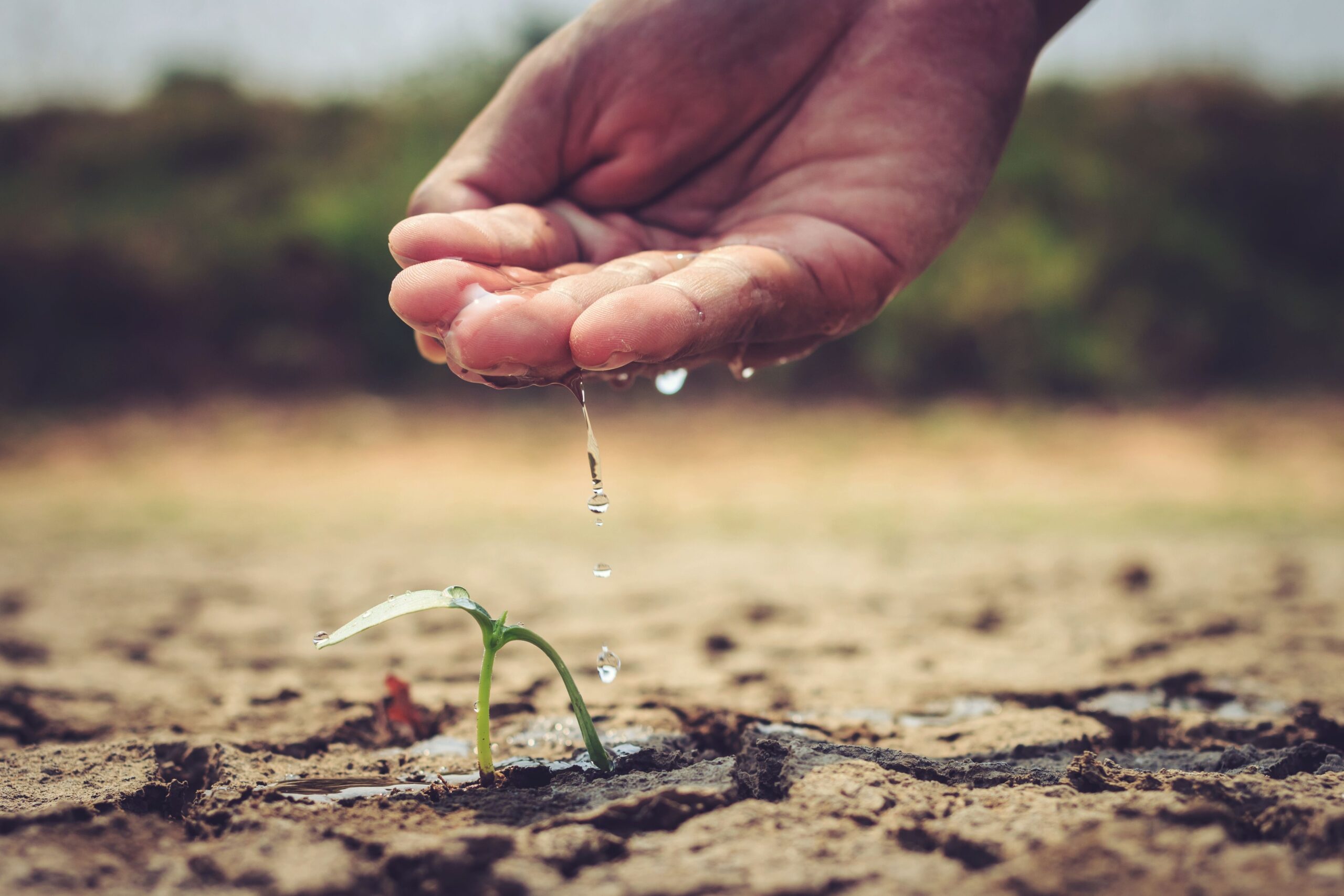
If the seedlings are already in the ground and start looking unhealthy, the most common cause is not a lack of fertilizer but insufficient moisture. Many gardeners have seen how transplants that were well fed still withered because they were not watered on time.
Right after planting. After placing the seedling in the hole and gently firming the soil around it, water the plant thoroughly. The goal is to moisten the entire root zone and remove air pockets around the roots. Pour water slowly so it can soak in, rather than running off the surface.
In the first days after transplanting. During the first week, the soil should remain slightly moist but not waterlogged. Young plants are especially sensitive during this period and dry out quickly in sun and wind. Check the soil daily near the roots with your finger:
- If the top few centimeters are dry, water the seedlings.
- If the soil is still moist and clumps together, hold off on watering.
Plain, clean water is usually enough to improve the condition of stressed seedlings. Regular, moderate watering helps the roots recover and start growing into the surrounding soil.
Avoid extremes. Both drought and standing water are dangerous. Overwatering leads to root rot and lack of oxygen, while underwatering causes wilting and slow death of new root hairs. Aim for evenly moist soil, especially around the root ball.
Additional tips for successful transplanting
Besides fertilizers and watering, several simple steps can also reduce transplant stress:
- Plant in suitable weather. If possible, transplant on a cloudy day or in the evening so seedlings are not immediately exposed to strong midday sun.
- Shade in the first days. For very delicate plants, temporary light shading can help them adapt without sunburn.
- Do not compact the soil too much. Lightly firm the soil to stabilize the plant, but do not press so hard that roots struggle to grow through it.
- Monitor daily. In the first week, look at your seedlings every day. Slight wilting during the heat of the day can be normal, but persistent drooping or yellowing is a sign to check moisture and soil condition.
When you combine moderate fertilizing in the planting hole with careful watering after transplanting, seedlings adapt faster, recover from stress, and soon start active growth. This simple attention in May can save a significant part of your future harvest.


0 comments