
Pepper pruning experiment: how topping boosted yields in a home garden trial

Sweet pepper is a favorite crop in many vegetable gardens, but getting a heavy harvest is not always straightforward. One widely shared tip is to prune or “top” young pepper plants to make them bushier and more productive.
An American gardener and agronomist decided to test this advice in practice. He documented a simple experiment on his YouTube channel “Epic Gardening” to see whether cutting off the top of a sweet pepper plant could really increase the number of fruits.
How the pepper pruning experiment was set up
The gardener grew two sweet pepper plants in the same conditions. They received identical soil, light, watering, and care. The only difference between them was pruning:
- One plant was left completely untouched.
- The second plant had its top removed at an early stage.
About a week after planting, both peppers had formed two main stems. At this point, the gardener topped one of the plants to encourage branching and create a more compact, bushy shape.
Where and how he pruned the pepper
The topping was done carefully, not at random. The cut was made between the node with a leaf and the start of the two young leaves at the plant’s tip. This removed the growing point at the top of the plant while leaving lower leaves and buds in place.
By cutting at this position, the gardener aimed to stimulate the growth of side shoots from lower buds, which should result in a plant with many branches instead of a single dominant stem.
Early results: branching and plant shape
Two weeks after topping, the first differences became visible:
- Untopped plant: It had already begun to branch naturally. The original two stems were splitting into two additional branches each, but the general shape remained more upright and simple.
- Topped plant: This pepper produced multiple new shoots from the lower part of the stem. The plant was clearly becoming much bushier, with many future branches forming closer to the base.
The gardener noted that the topped plant would likely become taller and more widely branched over time, while the untopped one would also grow on, but with a more limited framework of stems.
One month later: growth versus early fruiting
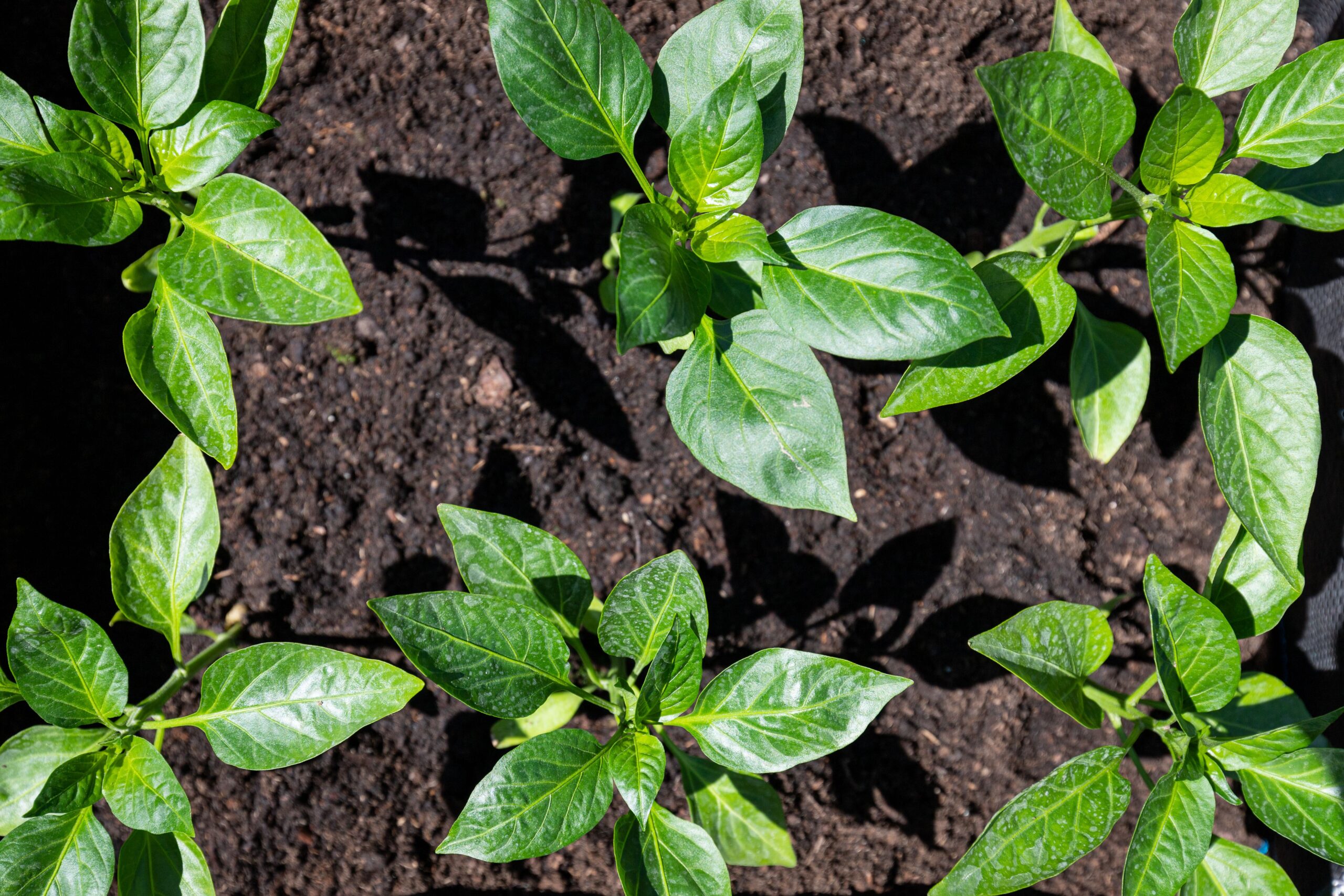
After about a month, the contrast between the two peppers became even more apparent:
- Untopped pepper: This plant had already set its first fruits. It had focused its energy on producing early peppers, even though it still had a relatively simple structure with essentially one main line of growth.
- Topped pepper: The second plant had formed many flower buds and small fruit sets (ovaries), but there were no mature fruits yet. It was investing heavily in building green mass and additional branches.
In other words, the untopped pepper offered earlier harvest, while the topped one was still “building the factory” that would later support a larger crop.
Final harvest: did topping increase yield?
The most important results came at the end of the experiment, when both plants had finished fruiting and the gardener counted the harvest from each:
- The topped pepper plant produced 37 fruits.
- The untopped pepper plant produced only 15 fruits.
Despite starting to fruit later, the topped plant clearly outperformed the unpruned one in total yield. The extra branching and bushier growth translated into more flowering sites and, ultimately, more peppers.
What gardeners can learn from this trial
This small home experiment suggests that topping sweet peppers at an early stage can significantly increase the total number of fruits, even though it may delay the first harvest. Key takeaways for gardeners are:
- Topping encourages a bushier, more branched plant.
- Untopped peppers may give earlier fruits but often fewer overall.
- The timing of pruning matters: in this trial it was done after the plant formed two main stems.
- Both plants must be grown in similar conditions to fairly compare the effect of pruning.
While every garden and variety can respond a bit differently, this trial offers practical evidence that pruning the top of young pepper plants can be a useful technique for gardeners who aim for a larger total harvest instead of the very earliest fruits.



0 comments